
Call us now :08045803525
 Send Inquiry
 Send Inquiry
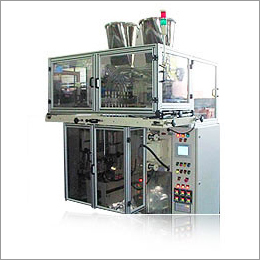
Automatic Liquid Filling Machines
Automatic Liquid Filling Machines Specification
- Product Type
- Automatic Liquid Filling Machines
- Material
- Stainless Steel (SUS304/316)
- Application
- Pharmaceutical, Food & Beverage, Chemical, Cosmetics Industries
- Packaging Material
- Liquid (PET/Glass bottles, containers)
- Computerized
- Yes
- Automatic Grade
- Automatic
- Control System
- PLC Control Panel
- Drive Type
- Electric
- Voltage
- 220-240V AC, 50/60Hz
- Weight (kg)
- Approx. 300-450 kg
- Dimension (L*W*H)
- 1850 mm x 950 mm x 1450 mm
- Capacity
- 1000 to 6000 bottles/hour (adjustable)
- Feature
- High filling accuracy, No bottle no filling system, Drip-proof, Easy maintenance
- Color
- Silver
- Air Pressure Required
- 0.4 - 0.6 MPa
- Cleaning System
- CIP (Clean In Place) Optional
- Hopper Volume
- 80 liters
- Stopper/Capping Option
- Optional automatic capping integration
- Power Consumption
- 2.5 kW
- Filling Accuracy
- 1%
- Operation Mode
- Continuous
- Filling Range
- 50 ml - 1000 ml (customizable)
- Noise Level
- 70 dB(A)
- Conveyor Speed
- Variable, controlled by AC drive
- Filling Heads
- 4-12 heads (as per model)
- Safety Features
- Safety guards, Emergency stop
- Bottle Height
- Up to 320 mm
- Bottle Diameter
- 30 mm to 100 mm
About Automatic Liquid Filling Machines
We have become a dominant player in the market of manufacturing and supplying Automatic Liquid Filling Machines. These machines are used for filling liquid materials into HDPE and PP sachet. We manufacture these machines at our sound production unit, using best quality stainless steel and mild steel. The machines are suitable for integration with gravity, piston, cup and auger filler. Automatic Liquid Filling Machines are used in food, pharmaceutical and cosmetic industry. We offer these machines at reasonable prices to clients.
Features:
- Longer working life
- High working efficiency
- Minimized seal contamination
Precision Engineering for Diverse Needs
Our automatic filling machines are manufactured with high-grade stainless steel and incorporate a carefully calibrated filling system, ensuring consistent accuracy within 1%. With variants supporting 4 to 12 heads and filling volumes from as low as 50 ml to as high as 1000 ml, these machines are engineered for scalability in production lines. The adjustable conveyor speed and customizable features offer unparalleled flexibility for different operational requirements.
Versatile Application Across Industries
Designed for use in pharmaceutical, food & beverage, chemical, and cosmetic sectors, our machines can handle a wide spectrum of liquid products and container types, including PET and glass bottles. The drip-proof and no-bottle-no-filling functionalities optimize material use and workplace cleanliness, while the modular design makes integration with optional capping and cleaning systems seamless for diverse industrial operations.
Advanced Safety and Automation
The equipment features an advanced PLC control panel for intuitive operation, safety guards, and an emergency stop system. Energy-efficient electric drives and robust construction provide stability and longevity, while an optional CIP system simplifies cleaning. These automation and safety measures make day-to-day use straightforward, reducing downtime and enhancing workplace safety while maintaining product quality.
FAQs of Automatic Liquid Filling Machines:
Q: How does the automatic liquid filling machine maintain high filling accuracy?
A: The machine employs a precise volumetric system controlled by a PLC panel, ensuring each fill stays within 1% accuracy regardless of liquid viscosity. Its no-drip design and advanced sensors further prevent under- or over-filling, guaranteeing consistent results across batches.Q: What is the process to change filling volumes or bottle sizes?
A: Adjustments for bottle size and filling volumes are straightforward and can be made via the PLC control panel without complex mechanical changes. You simply set the desired volume (between 50 ml to 1000 ml) and adjust bottle guides or holders as needed, supporting quick changeovers for different production runs.Q: When should the cleaning system (CIP) be used?
A: The optional CIP (Clean In Place) system should be activated during product changeovers or at regular cleaning intervals as specified by your operations hygiene standards. This feature ensures thorough internal cleaning of all liquid contact parts, minimizing contamination risks and reducing manual cleaning effort.Q: Where can this machine be integrated within a facility?
A: Due to its compact footprint and robust stainless steel construction, the machine fits seamlessly into existing automated production lines in pharmaceutical, food, beverage, chemical, or cosmetic facilities. It is compatible with standard bottle conveyance systems and supports integration with capping modules when needed.Q: What benefits does the variable conveyor speed offer?
A: Variable speed, controlled by an AC drive, enables operators to synchronize filling rates with downstream or upstream processes. This flexibility enhances productivity and minimizes bottlenecks, allowing optimal throughput within the specified range of 10006000 bottles per hour.Q: How is operational safety ensured during use?
A: Safety features include physical safety guards to prevent direct access to moving parts, an emergency stop system for rapid shutdown, and reliable PLC-based controls that monitor system performance and respond to anomalies, ensuring operator safety during continuous operation.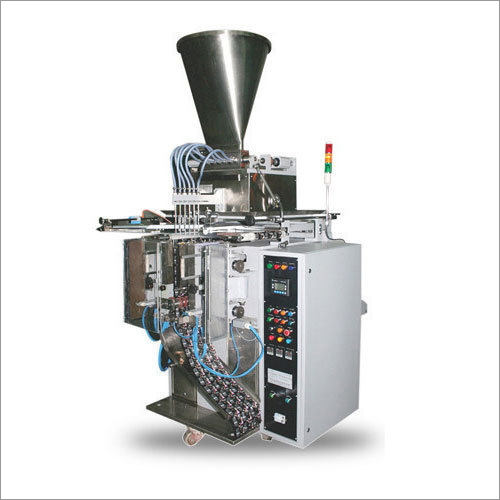
Tell us about your requirement

Price:
Quantity
Select Unit
- 50
- 100
- 200
- 250
- 500
- 1000+
Additional detail
Mobile number
Email

More Products in Liquid Filling Machines Category
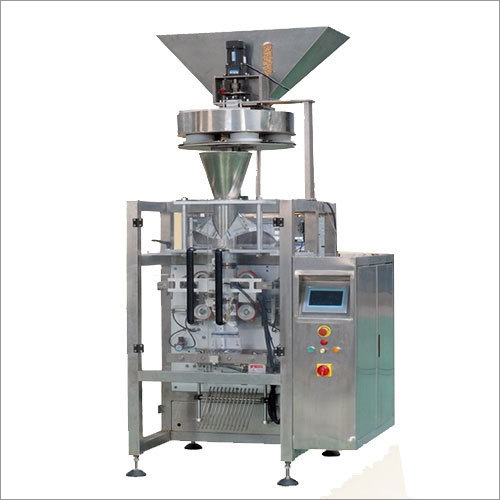
Cup Filler
Voltage : 220V
Application : Powder and Granular Filling (Spices, Tea, Coffee, Detergent, etc.)
Packaging Material : Plastic, Laminated Films, Aluminium Foil
Dimension (L*W*H) : 800 mm x 750 mm x 1800 mm
Color : Stainless Steel Finish
Filling Capacity : 10 gms to 500 gms (adjustable)
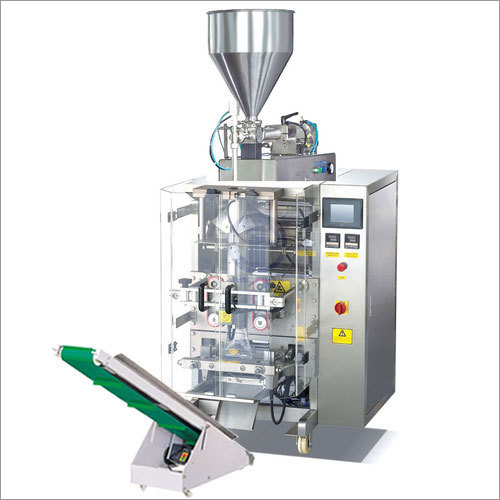
Aerosol Liquid Filling Systems
Voltage : 220V
Application : Aerosol product filling, liquid filling
Packaging Material : Metal cans, aluminum cans
Dimension (L*W*H) : 1300 x 500 x 1400 mm
Color : Stainless Steel Finish
Filling Capacity : 50 ml 750 ml
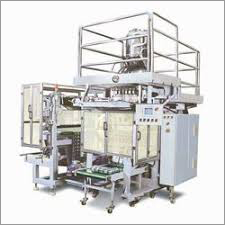
Injectable Liquid Filling Machines
Voltage : 220V/380V
Application : Other, Pharmaceutical and chemical industries
Packaging Material : Other, Glass and plastic bottles
Dimension (L*W*H) : 2000x1200x1800 mm
Color : Silver

 Send Inquiry
Our Products

Plot No. 42, Sector 59, HSIDC, Faridabad - 121004, Haryana, India

Mr Zile Singh
(PROPRIETOR)
Mobile :08045803525
 Send Inquiry
 Send SMS
Developed and Managed by Infocom Network Private Limited.


